Source hyaluronic acid bakuchiol serum for Face, Neck, and Body
Find 30 listings for hyaluronic acid bakuchiol serum with features like anti-aging, moisturizing, and firming. Compare specifications including certifications, ingredients, and customization options from verified manufacturers in China.
Key considerations
Products List
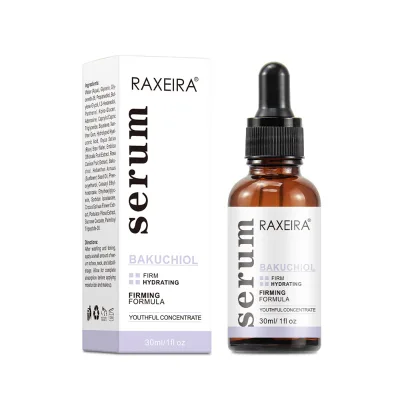

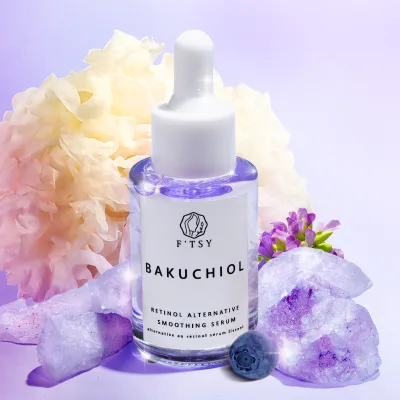


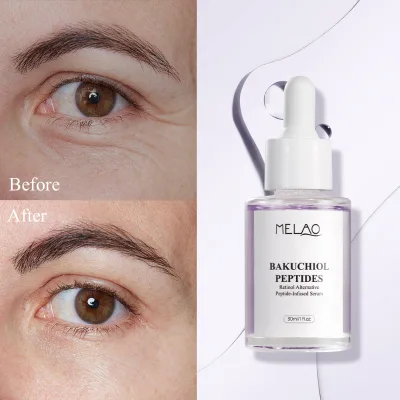


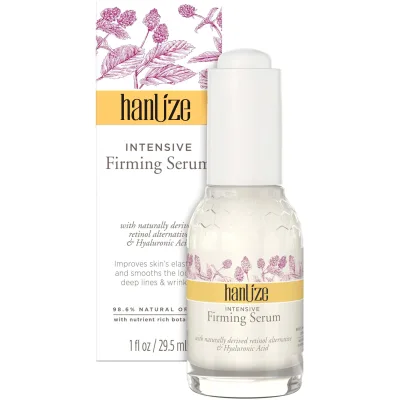


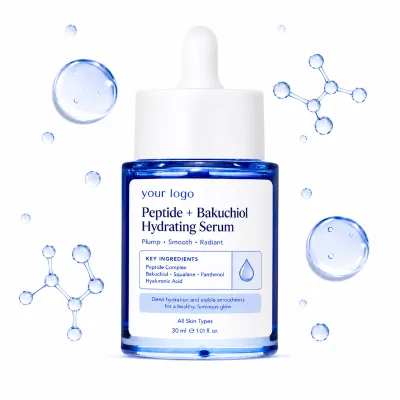


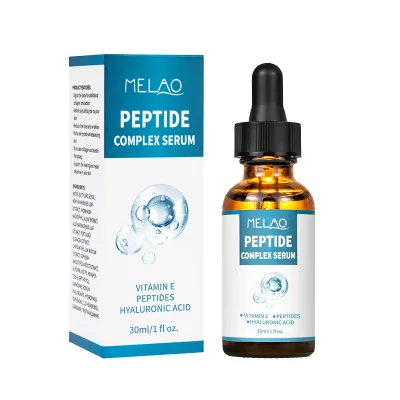
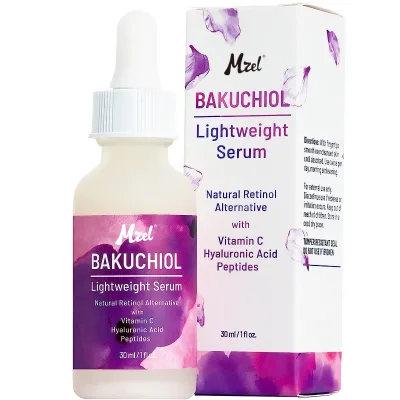
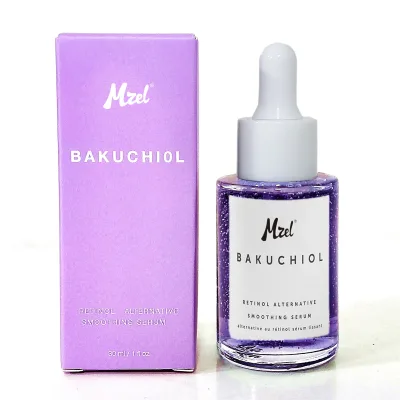


Comprehensive Sourcing Guide
Strategic Sourcing Guide for Hyaluronic Acid and Bakuchiol Serums
Technical Specifications and Formulation Variability
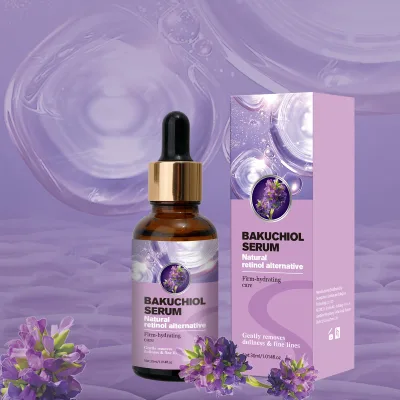
When sourcing a product defined by the core keyword "hyaluronic acid bakuchiol serum," buyers must first navigate the significant variance in technical specifications observed across the market. The provided data indicates that while the core active ingredients often include Hyaluronic Acid, Bakuchiol, Vitamin C, and Peptides, the specific formulation is rarely uniform. Some listings explicitly identify the product as a "Bakuchiol Face Serum" or "Bakuchiol Peptides Retinol Serum," while others focus on "Hyaluronic Acid Face Serum" as a distinct model. This suggests that a single supplier may offer multiple SKUs under the same product category, each with a different primary focus or concentration of actives.
The physical specifications of the product also vary considerably. The observed net weight ranges from 10 ml to 50 ml, with specific standards noted as "30ml/customized" and "10ml/customized." This variability implies that the "standard" size is not fixed and is often a point of negotiation. The product form is consistently listed as liquid, housed in packaging that ranges from simple boxes to more elaborate "Paper Box" or "Boxes" with digital printing capabilities. The single package size is frequently cited as 10x10x10 cm, which is a critical metric for logistics planning and shipping cost estimation. Furthermore, the shelf life is a fixed attribute observed at 3 years, a factor that influences inventory turnover strategies for the buyer.
Buyers must verify the exact concentration of Hyaluronic Acid and Bakuchiol in the specific batch they intend to purchase. While the general feature list includes "Anti-Aging," "Moisturizing," and "Hydrating," the efficacy depends on the molecular weight of the hyaluronic acid and the purity of the bakuchiol. The ingredient lists provided in the source data are diverse, ranging from simple combinations like "Vitamin C, Hyaluronic Acid, Vegan" to complex blends including "Kojic Acid, Tea Tree, Chamomile," "Glycerin," "Collagen," and "Psoralea." This diversity indicates that the term "serum" is a broad category. A procurement strategy must therefore begin with a clear definition of the desired formulation profile to avoid receiving a product that, while technically a serum, lacks the specific active ingredients required for the buyer's brand positioning.
Compliance, Certification, and Regulatory Standards
Navigating the regulatory landscape is a critical component of sourcing these cosmetic serums. The data reveals a high frequency of certifications, including CE, EEC, FDA, GMP, and MSDS. However, the presence of these certifications in the general product listing does not guarantee that every specific SKU or batch possesses them. For instance, some entries list "CE, EEC, FDA, GMP, MSDS," while others only list "CE, GMP, MSDS." This inconsistency necessitates a rigorous verification process where the buyer must request specific certification documents for the exact model number being ordered, such as "KAS02-An" or "Hyaluronic Acid Face Serum."
The "GMP" (Good Manufacturing Practice) certification is particularly vital for skincare products, as it ensures that the manufacturing environment meets hygiene and quality control standards. The "MSDS" (Material Safety Data Sheet) is essential for logistics and safety compliance, detailing the chemical composition and handling requirements for the liquid serum. The "FDA" mention is significant, though buyers should clarify whether this refers to FDA registration of the facility or specific product clearance, as cosmetic regulations vary by region. The "CE" and "EEC" marks indicate compliance with European standards, which is crucial if the target market includes the European Union.
Buyers should also verify the "prod_standard" claims. While the data lists "50ml" and "30ml/customized" as standards, these are often treated as baseline specifications rather than regulatory standards. The actual regulatory compliance depends on the destination country's specific cosmetic regulations. For example, if the product is manufactured in Guangdong, China, it must comply with Chinese regulations and the regulations of the importing country. The "Place of Origin" is consistently listed as China, specifically Guangdong, which is a major hub for cosmetic manufacturing. Buyers must ensure that the supplier can provide a Certificate of Analysis (COA) and a Declaration of Conformity that aligns with the specific certifications claimed. The absence of a specific certification in the general listing should not be assumed to be a universal trait; rather, it highlights the need for due diligence on a per-order basis.
Cost Drivers and Pricing Dynamics
The pricing structure for hyaluronic acid and bakuchiol serums is influenced by several dynamic factors, primarily driven by customization, volume, and ingredient quality. The observed price range in the market is between $0.97 and $8.00 USD. This wide variance suggests that the lower end of the spectrum likely corresponds to standard, non-customized formulations with basic packaging, while the higher end reflects customized formulations, premium ingredients, or specialized packaging.
The "MOQ" (Minimum Order Quantity) is another significant cost driver, ranging from 1 to 1000 units. A low MOQ of 1 allows for small-scale testing or private label trials, but it typically carries a higher unit cost. Conversely, an MOQ of 1000 suggests a bulk purchase scenario where the unit price is likely closer to the lower end of the observed range. The "available quantity" of 100,000 units indicates that suppliers have substantial capacity, which can be leveraged for negotiation on larger orders.
Customization is a major factor in cost. The data explicitly states that "Customization" is available, including "OEM ODM Private Label" services. This means that buyers can request specific formulations, packaging designs, and branding. However, these customizations often incur additional setup costs or higher per-unit prices. The "Printing" method is listed as "Digital Printing," which is suitable for small to medium runs but may have different cost implications compared to traditional offset printing for very large orders.
Buyers should also consider the "Lead Time," which is observed to be between 15 and 26 days. This timeframe affects the total cost of ownership, as longer lead times may require higher safety stock levels, increasing holding costs. The "Single gross weight" of 0.660 kg and the "Single package size" of 10x10x10 cm are critical for calculating shipping costs, which can significantly impact the final landed cost, especially for international procurement. The "Selling Units" are listed as "Single item," which simplifies the unit cost calculation but requires careful aggregation for bulk shipping.
Typical Applications and Target Market Segmentation
The versatility of hyaluronic acid and bakuchiol serums allows for a broad range of applications and target markets. The data indicates that these products are primarily designed for "Face" use, but the "Use" attribute also includes "Breast, Eye, Body, Foot, Hand, Lips, Neck, Nose." This suggests that the formulation can be adapted for various body parts, though the primary focus remains on facial skincare. The "Target Area" further confirms this, listing "Face, Body, Neck/Throat, Legs/Arms."
The "Skin Type" compatibility is extensive, covering "Combination, Normal, All Skin Types, Dry, Oily." This broad compatibility makes the product suitable for a wide demographic, reducing the risk of market rejection due to skin type limitations. The "Gender" is specified as "Female," which aligns with the current market trends where skincare products are often marketed towards women, though the efficacy of the ingredients is generally gender-neutral.
The "Feature" list highlights key benefits such as "Anti-Aging," "Anti-Wrinkle," "Firming," "Whitening," "Moisturizing," and "Lightening." These features address common consumer concerns, making the product highly relevant for the anti-aging and brightening segments. The "Effect" and "Efficacy" attributes reinforce these benefits, mentioning "Anti-Wrinkle Moisturizing Whitening" and "Anti Aging Moisturizing Skin Revitalizer." The "Function" of the product includes "Improve Dull Skin" and "Dark Spot Removal," which are specific pain points for many consumers.
The "Application" is listed as "For Home Use," indicating that these serums are designed for consumer self-application rather than professional salon use. This distinction is important for marketing and packaging design, as home-use products often require clear usage instructions and safety warnings. The "Product Type" is described as "Reduce Fine Line, Firming Skin," which further defines the product's positioning in the anti-aging category. Buyers should align their marketing strategies with these specific applications to ensure the product resonates with the intended audience.
Supplier Evaluation and Verification Protocols
Evaluating suppliers for hyaluronic acid and bakuchiol serums requires a systematic approach to verify their capabilities and reliability. The data shows that the "Brand Name" is often "Fantesi," but this may be a generic brand used by multiple suppliers or a specific manufacturer. Buyers should not assume that the brand name represents the manufacturer; instead, they must identify the actual factory or trading company behind the product.
The "Service" attribute lists "OEM ODM Private Label," which indicates that the supplier offers manufacturing services for private label brands. This is a key indicator of a supplier's flexibility and capacity to meet specific buyer requirements. However, buyers must verify the supplier's experience with these services by requesting case studies or references from other clients.
The "Lead Time" of 15 to 26 days is a critical metric for supplier evaluation. Buyers should assess whether this timeframe is consistent and reliable. A supplier that frequently misses lead times can disrupt the buyer's supply chain and inventory management. The "Available Quantity" of 100,000 units suggests that the supplier has the capacity to handle large orders, but buyers should confirm this capacity with a production schedule or capacity statement.
The "Place of Origin" is consistently "Guangdong, China," which is a major manufacturing hub. Buyers should verify the specific factory location within Guangdong to ensure it is a legitimate manufacturing facility and not just a trading office. The "Certification" status should be verified with original documents, as the presence of certifications in the listing does not guarantee their validity for the specific order.
Buyers should also evaluate the supplier's quality control processes. The "Shelf Life" of 3 years is a positive attribute, but it must be supported by stability testing data. The "Single gross weight" and "Single package size" should be verified to ensure they match the supplier's claims, as discrepancies can lead to shipping issues and additional costs.
Quality Control and Long-Term Procurement Considerations
Ensuring consistent quality is paramount in the procurement of skincare serums. The "Form" is listed as "Liquid," which requires careful handling to prevent leakage or contamination during shipping. The "Packing" is described as "Boxes" or "Paper Box," and the "Printing" is "Digital Printing." Buyers should inspect the packaging quality to ensure it protects the product and maintains the integrity of the liquid serum.
The "Main Ingredients" vary, and buyers must ensure that the ingredients listed in the final product match the specifications agreed upon. The presence of "Vitamin C," "Hyaluronic Acid," "Bakuchiol," and other actives must be verified through a Certificate of Analysis (COA). The "Feature" list includes "Anti-Aging," "Moisturizing," and "Whitening," but these claims must be substantiated by clinical data or third-party testing results.
Long-term procurement considerations include the stability of the supply chain and the ability of the supplier to scale. The "MOQ" range of 1 to 1000 units offers flexibility, but buyers should plan for future growth and ensure the supplier can meet increasing demand without compromising quality. The "Lead Time" of 15 to 26 days should be factored into the procurement strategy to avoid stockouts.
Buyers should also consider the "Customization" options for long-term partnerships. The ability to customize the formulation, packaging, and branding can provide a competitive advantage. However, this requires a strong relationship with the supplier and clear communication of requirements. The "Shelf Life" of 3 years allows for longer inventory cycles, but buyers should monitor the product's condition over time to ensure it remains effective.
Finally, buyers should establish a robust quality control protocol that includes pre-shipment inspections and post-delivery testing. This ensures that the product meets the specified standards and performs as expected. By focusing on these quality control measures and long-term considerations, buyers can build a sustainable and reliable supply chain for hyaluronic acid and bakuchiol serums.
Comparative Analysis of Product Attributes
To facilitate decision-making, the following table summarizes the key attributes observed in the market for hyaluronic acid and bakuchiol serums. This comparison highlights the variability in specifications and helps buyers identify the most suitable options for their needs.
| Attribute | Observed Range/Options | Key Considerations for Buyers |
|---|---|---|
| Net Weight | 10 ml, 30 ml, 50 ml | Verify the exact volume required; "customized" options are common. |
| Main Ingredients | Hyaluronic Acid, Bakuchiol, Vitamin C, Peptides, Kojic Acid, etc. | Confirm the specific blend; formulations vary significantly between SKUs. |
| Certifications | CE, EEC, FDA, GMP, MSDS | Request specific documents for the ordered model; not all may apply to every SKU. |
| MOQ | 1 to 1000 units | Lower MOQs allow testing but may have higher unit costs. |
| Lead Time | 15 to 26 Days | Plan inventory accordingly; verify consistency of delivery times. |
| Packaging | Boxes, Paper Box, Digital Printing | Check packaging integrity and design capabilities for branding. |
| Shelf Life | 3 Years | Standard for most products; verify stability data for long-term storage. |
| Target Area | Face, Body, Neck, etc. | Ensure the product is suitable for the intended application area. |
| Skin Type | All, Dry, Oily, Combination, Normal | Broad compatibility is common; verify specific claims for niche markets. |
This table serves as a reference for buyers to compare different product offerings and make informed decisions based on their specific requirements. By carefully evaluating these attributes, buyers can select the most appropriate hyaluronic acid and bakuchiol serum for their business needs.
FAQs
What certifications are available for hyaluronic acid bakuchiol serum?
Available certifications include CE, EEC, FDA, GMP, and MSDS. Buyers must verify specific documents for each model number as listings vary between full sets and partial sets like CE, GMP, and MSDS.
How long is the lead time for custom orders?
The lead time ranges from 15 to 26 days for production. This duration applies to OEM and ODM services and affects inventory planning for buyers ordering customized formulations or packaging.
Which specifications are standard for the serum packaging?
Standard specifications include 10ml, 30ml, and 50ml sizes with customized options. The single package size is typically 10x10x10 cm, and the product form is liquid housed in boxes or paper boxes.
Can I order with a low minimum quantity?
Yes, the minimum order quantity ranges from 1 to 1000 units. Lower MOQs allow for testing or private label trials, while higher volumes may reduce the unit cost within the observed price range.
What is the shelf life of the product?
The shelf life is fixed at 3 years for the serum. This duration influences inventory turnover strategies and ensures product stability during storage and distribution to the target market.
Which ingredients are commonly found in the formulation?
Common ingredients include Hyaluronic Acid, Bakuchiol, Vitamin C, and Peptides. Formulations vary widely and may also contain Kojic Acid, Glycerin, Collagen, or Tea Tree depending on the specific model.
Where are the manufacturers located?
Manufacturers are located in Guangdong, China. This region is a major hub for cosmetic production, and buyers should verify specific factory details for compliance with destination country regulations.